
A year of squeezed calendars and shifting tastes has pushed more households to shop on screens rather than aisles. Curious cooks want pantry staples and regional specialties without a cross-town drive, and students in share houses want budget-friendly bundles that still taste like home. If you’ve ever wondered where to buy asian food online, you’re not alone—the search curve keeps climbing. This piece tracks what’s changed, why it’s sticking, and how three names—BKK Australia Pty Ltd, Asian Pantry, and UMall—illustrate different ways platforms are serving the same craving: reliable flavour, less friction.
Why more shoppers are switching in 2025
Busy weeks and specific cravings are a tough combo. Online platforms reduce the hunt and make discovery less of a gamble, especially for regional sauces, fresh noodles, and snacks you won’t always find at a suburban grocer.
Range depth: Online assortments often carry niche condiments and frozen lines that brick-and-mortar stores skip.
Search efficiency: Filters make it faster to compare format, brand, origin, and dietary flags in one place.
Basket building: Smart recommendations surface complementary items, saving repeat trips and postage.
Time discipline: Scheduled delivery windows and order tracking reduce the “wait at home all day” problem.
None of this replaces a neighbourhood grocer’s charm. But the baseline expectation in 2025 is simple: wide range, honest ETAs, and packaging that protects delicate goods in a hot Aussie summer.
AbSafety and compliance
Online food shopping introduces questions about what can be sold, shipped, and stored safely across long distances. The basic rule: safety first, adventure second.
Label clarity: Origin, allergens, and shelf life should be easy to spot before you tap “add to cart.”
Heat-sensitive items: Insulation, ice packs, and fast couriers protect frozen dumplings and fresh tofu.
Border awareness: Some items face import limits; reputable platforms filter or flag restricted goods.
Refund sanity: Credible policies cover damage, leakage, and temperature breaches without red tape.
Government guidance on safe online food shopping helps shoppers sanity-check what’s allowed, what’s risky, and how to spot listings that don’t pass the sniff test. It keeps the fun part—trying new things—firmly inside safe lines.
BKK, Asian Pantry, UMall: what each model does well
Three names, three approaches. Think of them less as rivals and more as case studies in solving the same problem from different angles.
Catalogue strategy: Some platforms emphasise core pantry lines and rotate seasonal specialties; others chase long-tail items for diaspora communities.
Fulfilment shape: Centralised warehouses deliver consistency; hybrid store-pick models can be faster in dense suburbs.
UX and discovery: Clean navigation and sensible bundles (e.g., ramen + toppings + drink) help new cooks avoid decision fatigue.
Price signalling: Transparent shipping thresholds and “best-before” markdowns reduce basket abandonment.
Used this way, BKK Australia Pty Ltd, Asian Pantry, and UMall aren’t score-cards—they’re archetypes. Each shows how range depth, shipping maths, and user experience mix to keep return rates low and word-of-mouth strong.
How to judge freshness, delivery, and real value
“Value” in groceries isn’t only dollars per kilo. It’s the confidence that frozen stays frozen, glass arrives intact, and substitutions won’t ruin dinner plans.
Cold chain proof: Look for clear notes on insulation, courier speed, and heat-wave policies for perishables.
Packaging logic: Double-boxed glass and tight void fill matter more than pretty tissue paper.
Substitution rules: Good platforms confirm swaps before shipping; better ones offer easy opt-outs.
Returns without friction: Photo-based claims and pre-paid labels stop small issues from becoming big dramas.
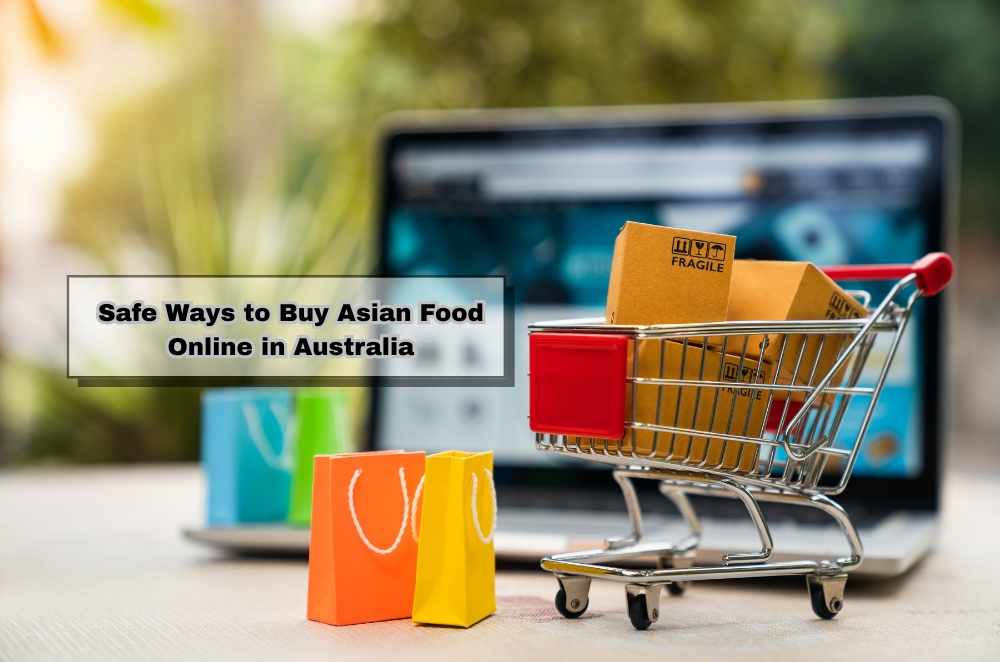
If you’re new to digital groceries, a quick primer on safe ways to buy asian food online helps you build a simple checklist—temperature, transit time, packaging, and refund path—before you hit “pay”.
2025 trends shaping the online aisle
A handful of shifts are redefining how Australians discover, select, and receive Asian groceries this year.
Regional curation: More shops group items by cuisine (Isaan, Hokkaido, Fujian) rather than generic “Asian” buckets.
Bundle design: Meal kits and festival boxes reduce guesswork and cut per-item freight.
Live inventory: Real-time stock reduces cancellations, especially around lunar festivals and public holidays.
Eco packaging: Thinner liners and recyclable cold packs trim waste without risking temperature breaches.
For a broader view of how platforms are changing the journey from search bar to doorstep, neutral explainers on online asian stores in Australia are useful context—zooming out from one retailer to the whole category.
Practical buying playbook for first-timers
A little structure turns a late-night scroll into a smooth first order.
Start with staples: Build a core basket (rice, noodles, stocks) before chasing niche snacks or sauces.
Check heat weeks: Plan perishables around forecast peaks; choose faster shipping when temps climb.
Compare thresholds: Free-shipping bars vary; align them with your monthly rhythm to avoid padding.
Save your list: Bookmark successful items and brands to speed up the next shop.
After two or three cycles, most households settle into a predictable pattern—monthly restocks, small top-ups, and the odd treat box when a holiday rolls around.
A short, lived-in example
When I moved flats, the nearest Asian grocer was three bus stops away and closed early on weekdays. I started with a simple online basket—rice, soy, vinegar, sesame oil—and added frozen dumplings with upgraded shipping during a January heatwave. The parcel arrived cold, glass intact, and nothing leaked. The next month, I used a bundle that paired ramen with eggs and seasoned nori; it cost less than buying everything separately, and I survived the trip just fine. By the third order, I’d worked out a rhythm: dry goods mid-month, cold chain items on cooler days or with express, and a running note of substitutions I would and wouldn’t accept. That small routine made dinner feel less like logistics and more like cooking. It also made weekend trips to a physical market feel special rather than compulsory—best of both worlds.




Write a comment ...